Ircelyon’s Interdisciplinary Mission Commits to Responsible Research
A pioneering approach to examining the impacts of research
The Interdisciplinary Mission of Ircelyon (MIDI) is a cross-cutting initiative launched in March 2024, in response to the call from the CNRS Ethics Committee (COMETS, Opinion 2022-43). Its actions are funded by internal laboratory resources, support from the MITI-CNRS Chemistry Institute, and contracts outlining specific actions (targeted project POWERCO2 and European project DREAM).
Its goal?
Collectively reflecting on the environmental and social impacts of research activities by integrating an interdisciplinary approach (chemistry, social sciences) and an intergenerational perspective (PhD students, researchers, technicians, etc.).
Thus, the MIDI follows a systemic approach to:
– on one hand, evaluate the footprint of daily practices (purchases, energy, buildings);
– on the other, question research topics: what uses will be made of the produced knowledge? How can societal challenges be addressed without exacerbating them?
– finally, create bridges between chemistry and Social Sciences and Humanities (SHS) for in-depth reflection.
Interdisciplinary Research: Concrete Projects
To implement this vision, MIDI has launched several innovative collaborations with researchers in SHS:
– Sociology:
The laboratory hosted Alexandre Rigal (sociologist) as a post-doctoral researcher for 9 months to study social dynamics related to the laboratory’s activities.
– Science Philosophy:
The PhD thesis of Henk-Jan EU is ongoing (as part of the DREAM project), exploring the ethical and epistemological issues of research.
– History:
The laboratory hosted Samir Boumediene (CNRS researcher at the Institute for History of Representations and Ideas in Modernity, Lyon) as a guest researcher, to illuminate the historical dimensions of scientific practices.
Publications and Dissemination: Sharing Reflections
Additionally, MIDI aims to disseminate its work to inspire more responsible research. Among its accomplishments:
– A groundbreaking scientific article:
The paper “An anthropocene-framed transdisciplinary dialogue at the chemistry-energy nexus” was published in Chemical Science (2024).
This edge article opens a debate on the ethics of chemical research, analyzing scenarios for the production and use of key molecules (CO₂, H₂, CH₄, NH₃, plastics). It emphasizes the need for transdisciplinary collaboration to address climate and energy challenges.
Auteurs: Mathieu S. Prévot, Valeria Finelli, Xavier Carrier, Gabriele Deplano, Margherita Cavallo, Elsje Alessandra Quadrelli, Juliette Michel, Marie-Hélène Pietraru, Clément Camp, Giulia Forghieri, Anna Gagliardi, Sebastian Seidel, Antoine Missemer, Bertrand Reuillard, Barbara Centrella, Silvia Bordiga, María Grace Salamanca González, Vincent Artero, Keanu V. A. Birkelbac, Niklas von Wolff.
– Active participation in conferences:
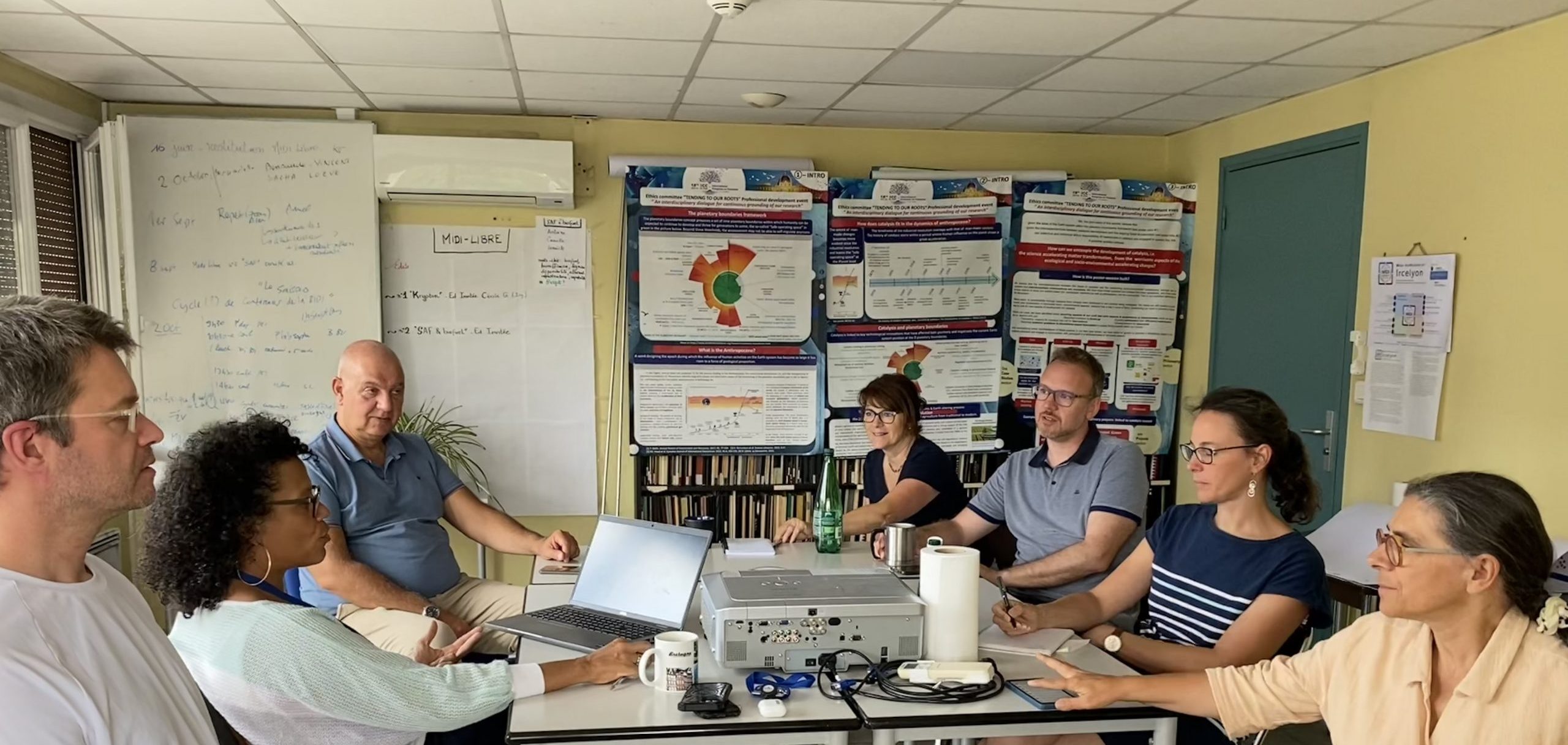
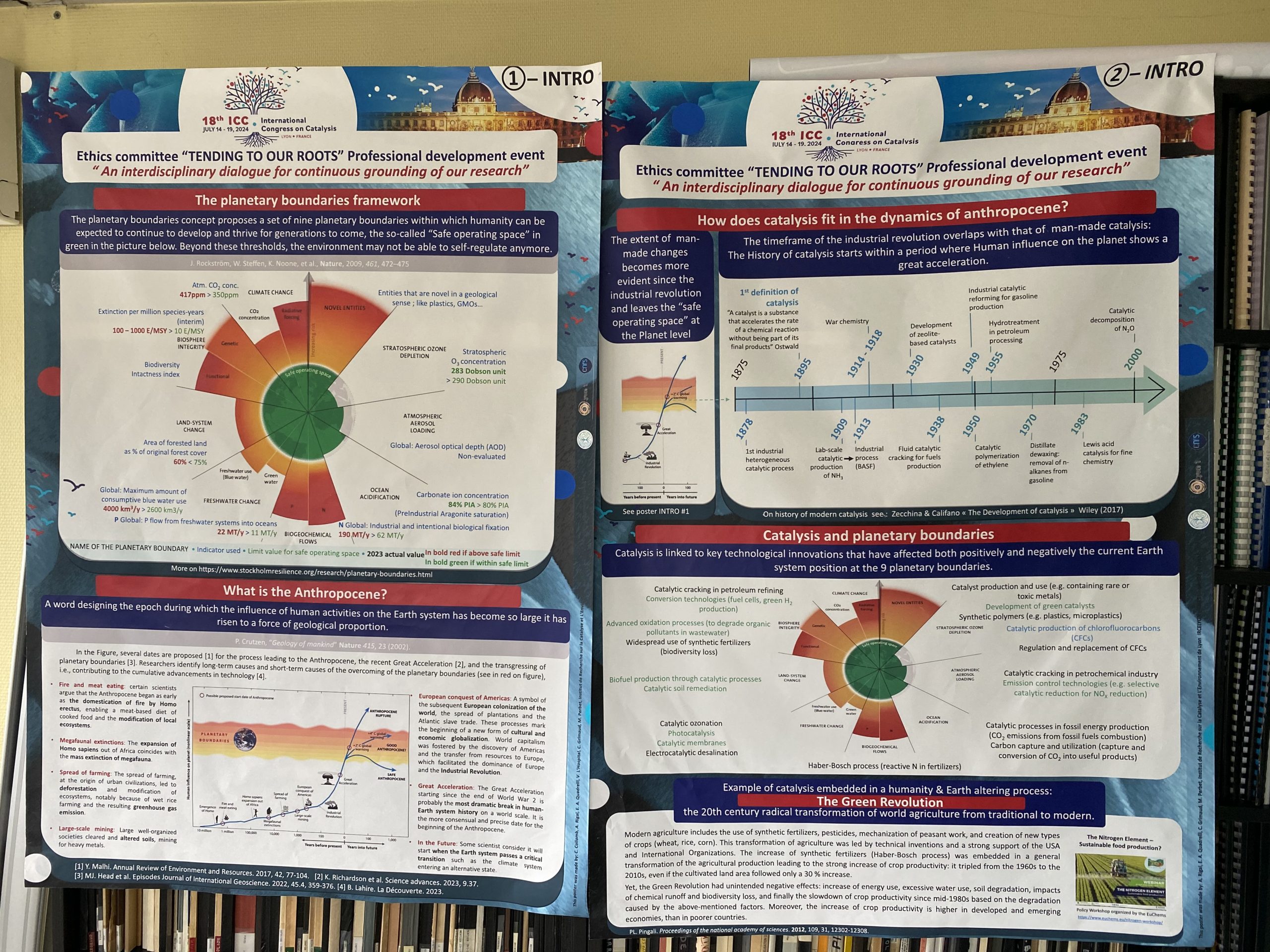
Interdisciplinary posters were presented at ICC2024 (International Congress on Catalysis), exploring the links between catalysis, Anthropocene, and ethics. See them on the International Association of Catalysis (IACS) website: https://iacs-catalysis.org/?page_id=226
– A proposal to contextualize chemistry research:
The article “Situated Green Chemistries: A Starting Proposal” proposes a tool to link green chemistry research with situated knowledge.
MIDI has developed “Situating Sciences” (Social Sciences & Hard Sciences), a tool to contextualize scientific practices within their social and historical environment.
Lab Life: Actions Grounded in Daily Routines
However, MIDI doesn’t limit itself to research; it also takes concrete action at the heart of Ircelyon to transform practices:
– A Carbon Footprint:
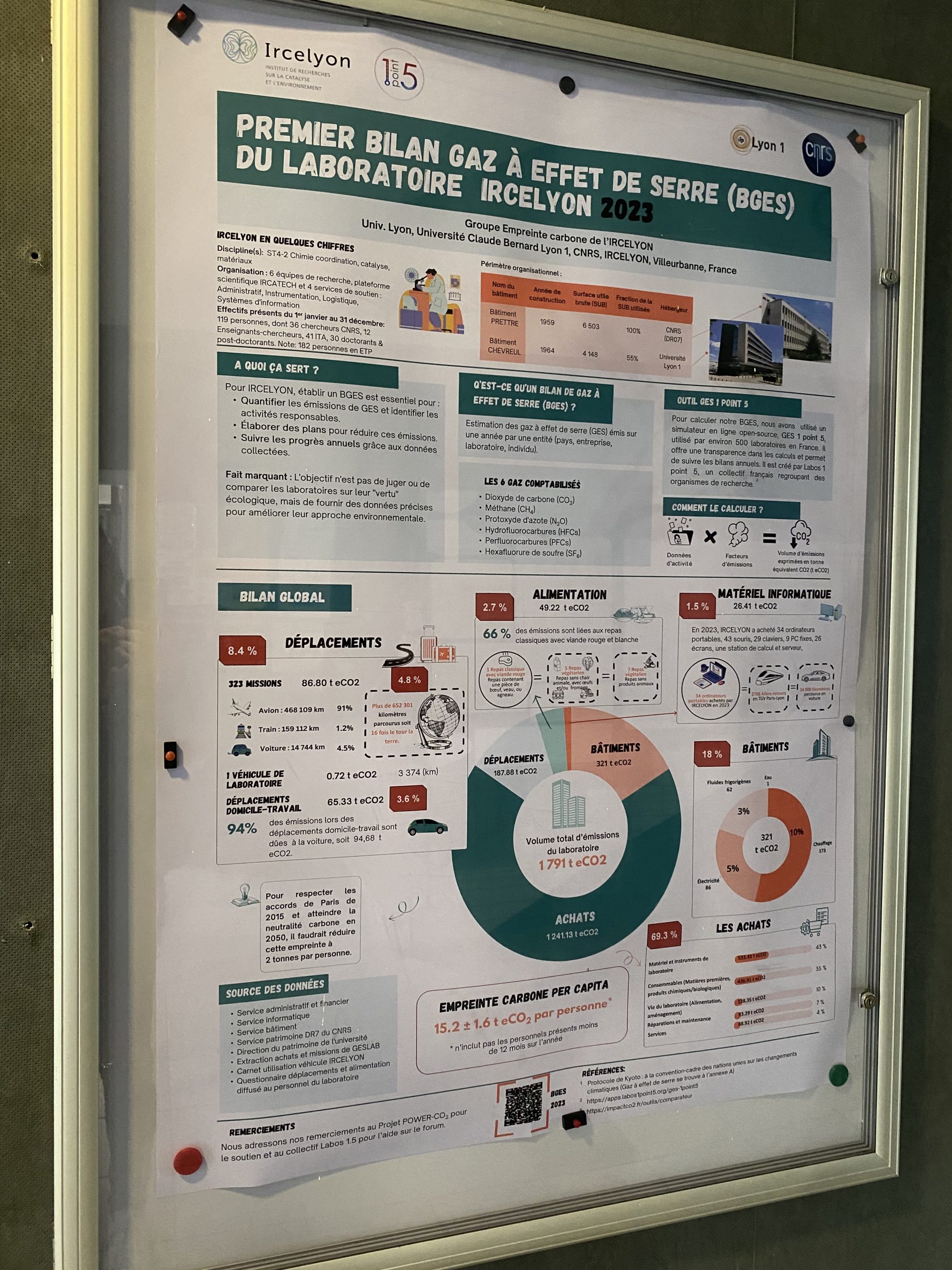
In collaboration with the Ircelyon Carbon Footprint Group, MIDI contributed to the laboratory’s 2023 carbon/GHG footprint report using Labos1point5 and BGES lab tools. MIDI also organizes awareness workshops, like the Climate Fresco.
– A “MIDI” Library:
To fuel reflections, MIDI created an interdisciplinary resource space accessible to all lab members.
– Seminars & Conferences:
Events such as the 2024 « Sustainable Aviation Fuels » seminar and conferences within the “MIDI Seasons” were organized (watch filmed lectures by Sacha Loeve and Bernadette Bensaude-Vincent on our YouTube channel: https://www.youtube.com/playlist?list=PLgkgubts3hdUwi_Q5ZQ1ppflmKPtyeQsh).
– A shared workspace:
The laboratory dedicates a room for MIDI exchanges and collaborations.
Education: Training Future Researchers
MIDI also invests in education to integrate interdisciplinarity from training.
Among its initiatives:
– The « Elements-Terre Wiki » project:
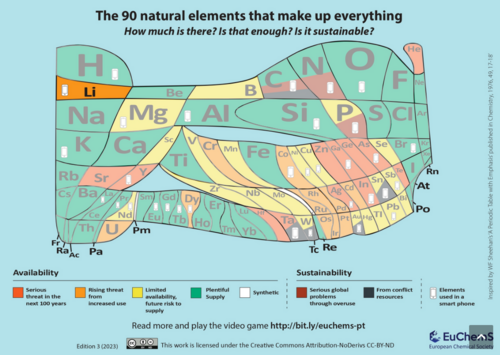
To raise awareness about the criticality of chemical elements, a collaborative platform (elements-terre.org) is being developed. This project is carried out in partnership with CPE Lyon, INSA Lyon, and Sorbonne Université.
– Courses and interventions:
In addition, MIDI contributes to M2 (UCBL) and M1 teaching, raising awareness among students about the ethical and societal issues of research.
Join MIDI!
The Interdisciplinary Mission is open to everyone: researchers, PhD students, technicians…
“Research activities have impacts for which we ultimately bear responsibility. MIDI helps me reflect on this topic collectively, across the laboratory and interdisciplinary.”
Alessandra Quadrelli
Images © IRCELYON – Marlène Fabre