Research teams

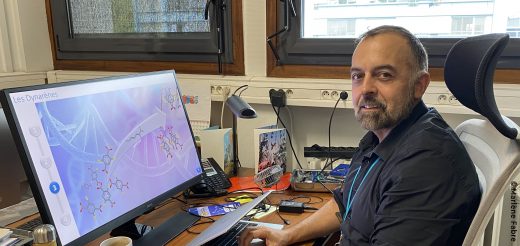
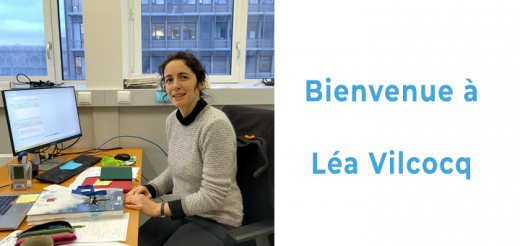
Léa Vilcocq joins Ircelyon!

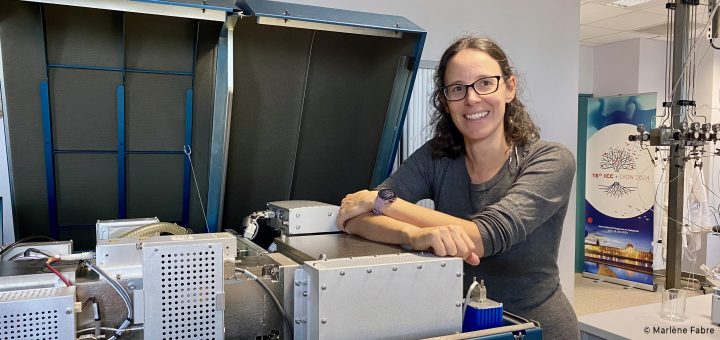
We are delighted to welcome Léa Vilcocq, a CNRS Research Scientist, who joined our team on October 1, 2025.Having joined the CNRS in 2016, Léa previously contributed to the work of the LGPC and then...

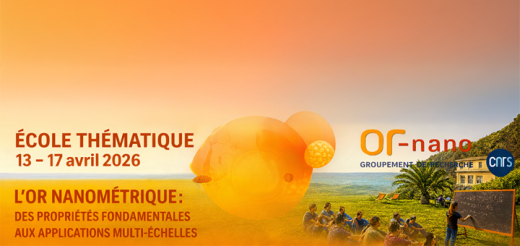
Gold-nano 2026 thematic school

GDR Or-nano (Research Group)is organising its thematic school from 13 to 17 April 2026 in Cargèse, Corsica. This school is one of the highlights celebrating Or-nano’s 20th anniversary in 2026! Interdisciplinaire, l’école réunira environ 70...

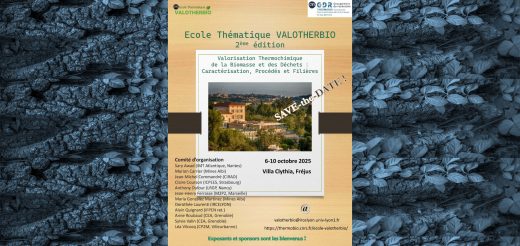
VALOTHERBIO Thematic School

The GDR Thermobio is organising the VALOTHERBIO thematic school from 6 to 10 October 2025 at the Villa Clythia in Fréjus. For its second edition on the Thermochemical Valorisation of Biomass and Waste: Characterisation, Processes...

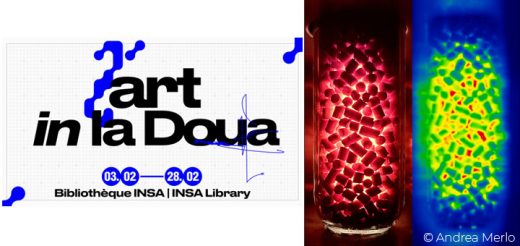
Art in la Doua exhibition

“The art of science: revealing the hidden beauty of knowledge” The first edition of Art in la Doua, a scientific and artistic exhibition, is currently being held at the Marie Curie Library at INSA Lyon,...

Fête de la Science 2024

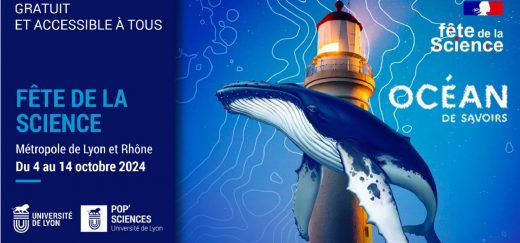
This year’s Fête de la Science will take place from 4 to 14 October 2024 under the theme ‘Ocean of Knowledge’. There’s a packed programme of events in the Lyon and Rhône metropolitan areas. Our...

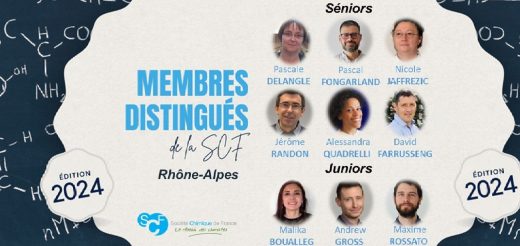
SCF election results

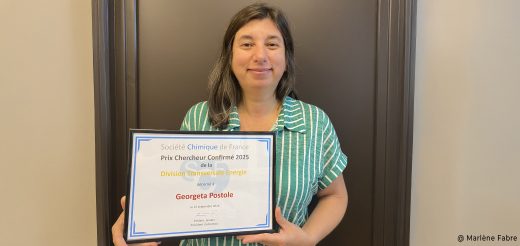
Congratulations to all those elected to the various SCF bodies. Below are the results that will be ratified at the next Annual General Meeting, scheduled for Thursday 26 June 2024.Mathieu Prevot is elected to the...
European EASVOLEE project: find out more

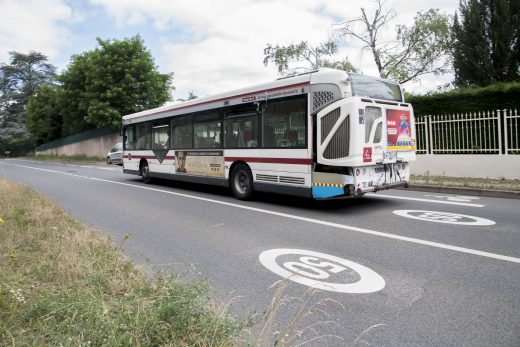
Air pollution and the impact of transport-related emissions remain major concerns for health and the environment.To gain a better understanding of the phenomena that occur in the atmosphere, the partners in the EASVOLEE project will...

MUOAA 2024

The Molecular-Level Understanding of Atmospheric Aerosols (MUOAA 2024) workshop and school will gather scientists involved in studying atmospherically relevant aerosols at a fundamental level in the laboratory, in the field and via advanced modeling techniques...

Converting CO2 using microwaves!

Trapping carbon dioxide and then converting it to methane enables reducing greenhouse gas concentrations in the atmosphere and recycle CO2 into a sustainable fuel, provided renewable H2 is employed. Microwave-based reactors provide an efficient means...